0.8 mm vs 1 mm Kitchen Sink (India, 2026)
Choosing between a 0.8 mm and 1 mm kitchen sink matters more than most buyers expect. Thickness affects daily feel, noise, rigidity under load, and long-term confidence in Indian homes.
By Futura Kitchen Sinks – manufacturing kitchen sinks in Bangalore since 1997.
Quick Answer: If your kitchen handles heavy daily utensil washing, choose a stainless steel sink with SS 304 and 1 mm thickness or above (BIS/ISI-certified manufacturing standards where applicable). A 0.8 mm sink can work for lighter use or budget-first builds, but it often feels less rigid under load.
Why Thickness Changes the Sink “Feel”
In real kitchens, thickness affects rigidity. When you wash heavy utensils and frequently place pots in the bowl, a more rigid sink feels better and stays more confidence-inspiring over time.
Less flex under load
Thicker sinks typically flex less when you press the bowl wall or place a heavy utensil. This “solid feel” matters in daily Indian use.
Noise + vibration perception
Thicker stainless steel often feels less “tinny”. Also, installation, cabinet support, and sound-deadening pads contribute to perceived noise.
0.8 mm vs 1 mm: Quick Comparison
| Factor | 0.8 mm Sink | 1 mm (or above) Sink |
|---|---|---|
| Daily feel | Often lighter feel | Generally sturdier feel |
| Heavy utensil washing | Can feel less rigid under load | Handles daily load with more confidence |
| Budget | More budget-friendly | Better long-term value for many homes |
| Best for | Light use / budget-first builds | Most Indian homes and heavy-wash kitchens |
How to Choose Thickness for Indian Kitchens
Use this quick decision framework:
- If you wash heavy utensils daily: prefer 1 mm or above.
- If you have a utility-heavy home: 1 mm or above is a safer baseline.
- If budget is the priority: 0.8 mm can work, but do not compromise on steel grade—prefer SS 304 for long-term wet use.
- If you want premium feel: thickness + good installation support matters more than marketing terms.
Steel grade also matters. If you’re comparing grades, read SS 304 vs SS 202 (India).
Buying Checklist (Simple)
| Check | What to look for | Why it matters |
|---|---|---|
| Steel grade | SS 304 | Durability and corrosion resistance for daily wet use |
| Thickness | 1 mm or above (for most homes) | Sturdier daily feel and better load handling |
| Manufacturing standards | BIS/ISI-certified manufacturing standards where applicable | Signals quality control discipline |
| Cutout planning | Finalise model before countertop cut | Avoid mismatch and poor finish |
| Waste coupling | Included where applicable | Reduces plumbing surprises |
Size + Depth Tips (Don’t Ignore)
Thickness helps the feel, but size and depth decide usability. Before you lock a sink:
- Match to cabinet width: choose a bowl size that fits your base cabinet without squeezing plumbing space.
- Choose by daily routine: large utensils need deeper bowls and practical layouts.
- Use a size guide: follow standard kitchen sink sizes in India before finalising cutout.
Futura Picks + Helpful Internal Links
Use these links to shortlist sinks with the right size + quality baseline.
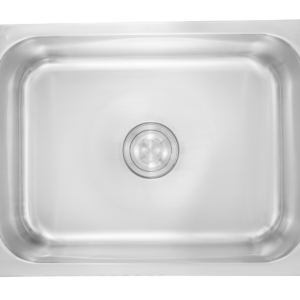
Product Visual (Example)
Final Recommendation
For most Indian kitchens, thickness is worth prioritising: choose SS 304 with 1 mm thickness or above and BIS/ISI-certified manufacturing standards where applicable. Then choose the right size and layout based on how you actually wash utensils every day.
Frequently Asked Questions
Is 0.8 mm thickness okay for a kitchen sink?
It can work for lighter use or budget-first kitchens, but many Indian homes prefer 1 mm or above for a sturdier daily feel under heavy utensil washing.
Is 1 mm thickness good for Indian kitchens?
Yes. For many Indian homes, 1 mm or above is a safer long-term choice because it generally feels sturdier and more confidence-inspiring for daily use.
Does thickness matter more than steel grade?
Both matter. Thickness affects rigidity and feel, while steel grade affects durability and corrosion resistance. Prefer SS 304 for daily wet use.
What else should I check besides thickness?
Check sink size and depth for your cabinet, finish quality, cutout planning, and BIS/ISI-certified manufacturing standards where applicable. Waste coupling is included where applicable.
Does Futura use SS 304 and BIS/ISI standards?
Futura’s stainless steel sink ranges are built around SS 304 quality, 1 mm thickness or above, and BIS/ISI-certified manufacturing standards where applicable.