Replacing an Old Kitchen Sink in India (2026)
Replacing a sink is rarely just a product decision. It is a cutout, plumbing, cabinet, mount-type and daily-use decision, especially when you want the replacement to happen without platform damage or surprise rework.
For stainless steel replacements, stay grounded in the basics: SS 304, 1 mm thickness or above, and BIS/ISI-certified manufacturing standards where applicable.
Quick Answer (India): If you are replacing an old kitchen sink in India, start by measuring the current cutout, cabinet width, bowl depth and drain position. For many retrofit cases, a same-size or near-size top-mount replacement is the safest route. Change the mount type only when the platform, cutout and installer can support it cleanly.
What to Check Before Buying a Replacement Sink
- Existing cutout size: this decides whether the new sink can fit without stone or counter rework.
- Cabinet width: never choose only by outer dimensions; the base cabinet still controls what is realistic.
- Bowl depth: deeper is not always better if the plumbing below is already tight.
- Drain position: misalignment can turn a simple swap into a plumber-heavy job.
- Current mount type: replacing top-mount with top-mount is usually easier than switching styles midstream.
Top-Mount vs Undermount in a Retrofit
| Scenario | Usually safer choice | Why |
|---|---|---|
| Quick replacement with minimal counter work | Top-mount | More forgiving for existing cutouts and easier to install in older kitchens. |
| Premium renovation with fresh counter work | Undermount | Possible if the counter is being reworked properly and support is planned. |
| Uncertain installer quality or aging platform | Top-mount | Lower risk when the goal is reliable replacement instead of redesign. |
Supporting reads: top-mount checklist and undermount installation checklist.
How to Avoid a Wrong-Size Replacement
Many replacement problems happen because buyers compare only product names or outer dimensions. A safer method is to compare the existing sink, cutout and bowl usability together.
Replace like-for-like first
If the old sink size worked, a better-quality sink in the same planning band is often the cleanest upgrade.
Upsize only with proof
Do not move to a larger sink unless the platform, cabinet and plumbing all support it without compromise.
Match the household routine
If the old sink felt too cramped, improve bowl usability, not just outer width.
Use standard references
24×18, 30×18 and 32×20 remain useful comparison points when discussing a replacement with a dealer or installer.
Steel and Material Checklist for a Better Upgrade
If the old sink failed because of poor material quality, replacement is the moment to correct that, not repeat it.
- Stainless steel: confirm SS 304.
- Thickness: prefer 1 mm or above where applicable.
- Manufacturing standards: ask for BIS/ISI-certified manufacturing standards where applicable.
- Quartz replacement: use it when you are also upgrading the look and maintenance expectations are acceptable.
- Waste coupling: mention it as included only where applicable for the chosen model.
Useful context: SS 304 and 1 mm guide and quartz vs stainless.
Drain, Trap and Faucet Fit Issues Buyers Miss
Drain alignment
If the drain outlet position changes too much, a simple replacement can become a plumbing modification job.
Faucet reach
The old faucet may not suit the new bowl depth or width. Check splash pattern before final fixing.
Under-sink storage
Deep bowls and existing filters or bins can conflict below the sink cabinet. Replacement planning should check this early.
Common Replacement Mistakes
- Buying before measuring: the fastest way to create avoidable counter work.
- Switching mount type casually: not every old setup should become an undermount sink.
- Ignoring cabinet width: especially common when buyers choose only by ad photos.
- Upgrading size without workflow logic: bigger is not always better in an existing kitchen.
- Overlooking drain and trap position: plumbers often discover the issue only after the sink arrives.
Futura Pages That Help With Replacement Planning
Use these pages to choose a practical upgrade instead of a risky swap.
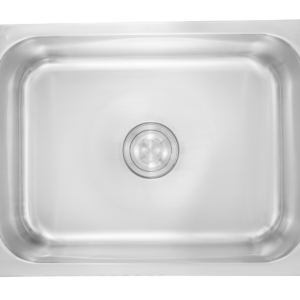
Dura 24×18
Useful reference option when the replacement kitchen is compact and practical.
View product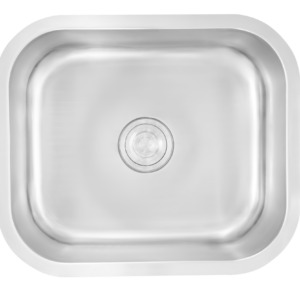
Kitchen Sink Range
Compare sizes and categories before committing to a retrofit decision.
Browse range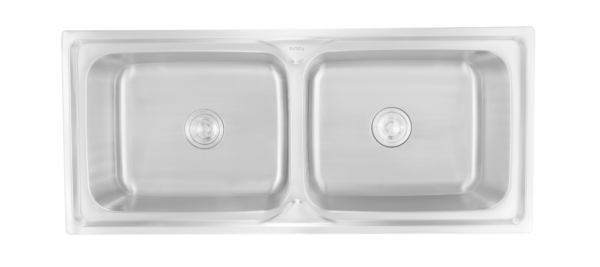
Top-Mount Replacement Route
Best supporting guide if you want the least disruptive replacement path.
Read guideAlso read: size comparison • standard sizes • contact Futura
Replacement Rule That Saves Time
Measure first, replace second. The best retrofit sink is the one that upgrades material and usability without creating unnecessary counter or plumbing work.
Frequently Asked Questions
What is the first step when replacing an old kitchen sink?
Measure the current cutout, cabinet width and bowl depth before choosing any new sink model.
Is top-mount better than undermount for replacement projects?
In many retrofit cases, yes. Top-mount is usually easier and more forgiving when you are working with an existing counter cutout.
Can I replace a small sink with a larger one?
Only if the platform, cabinet and plumbing support the change. A larger sink can trigger more rework than buyers expect.
What steel grade should I choose for a replacement sink?
If you are buying stainless steel, SS 304 is the practical benchmark, ideally with 1 mm or above thickness and BIS/ISI-certified manufacturing standards where applicable.
Does Futura include waste coupling?
Waste coupling is included where applicable. Confirm the exact model details before installation.